
Solar Powered Ice Hockey Rink Unveiled in Ladakh Under Major Green Sports Push
Solar-powered ice hockey rink launched in Ladakh as authorities approve a 500 kWp solar plant under a major green sports push for winter sports infrastructure.
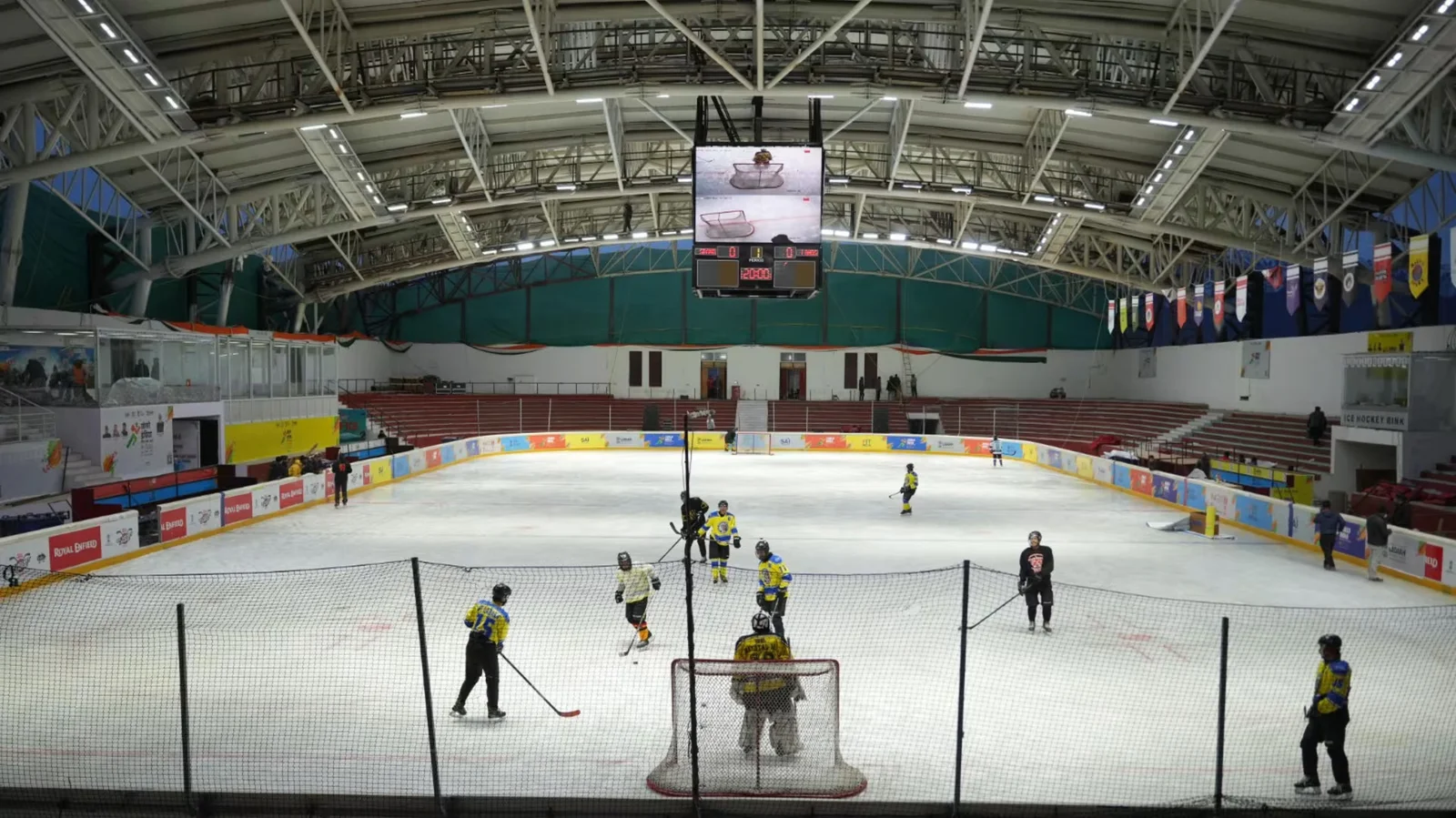
India’s first fully operational solar-powered ice hockey rink has been launched in Leh after Ladakh administration approved a 500 kWp solar power plant for the city’s iconic Nawang Dorjay Stobdan Sports Complex. The project is being positioned as a major step in the region’s larger green sports push, combining renewable energy with winter sports infrastructure development in high altitude conditions.
Lieutenant Governor V K Saxena approved the solar installation project to support the functioning of the existing ice hockey rink, which remains one of the most significant winter sports venues in the Himalayan region. Officials stated that the renewable energy powered system will help reduce operational costs while improving sustainability at the facility.
Ladakh LG Approves Rooftop Solar Plant at Leh Ice Hockey Rink#Ladakh #Leh #SolarEnergy #CleanEnergy #GreenIndia #SportsInfrastructure https://t.co/dE600MAg8Z
— Navin Upadhyay (@Navinupadhya) May 10, 2026
The rink has become central to Ladakh’s growing winter sports ecosystem, regularly hosting local tournaments, training camps, and national level ice hockey activities. Authorities believe the new solar powered infrastructure will strengthen the region’s ambition to become a leading winter sports destination in India.
Officials also confirmed that the solar project aligns with broader government sustainability initiatives aimed at reducing dependence on diesel powered systems in remote Himalayan regions. The 500 kWp solar plant is expected to provide clean electricity support for rink refrigeration systems and associated sports infrastructure.
Ladakh has steadily emerged as India’s primary ice hockey hub due to its natural winter climate and increasing grassroots participation in the sport. The region has produced multiple national level players and hosts annual winter championships that attract teams from across the country.
Sports administrators and environmental planners have described the project as a model for future climate conscious sports infrastructure developments in ecologically sensitive areas. The initiative also reflects India’s growing emphasis on integrating renewable energy solutions into public sports facilities.
Sportscapefeels that the Leh project could become a blueprint for sustainable sports infrastructure in extreme weather regions where operational energy costs remain a major challenge.
Combining renewable energy with winter sports development may help smaller sporting regions build long term infrastructure without relying heavily on traditional power systems.
Written by