
Wearable Device Developed by University of Miami Students Aims to Reduce Injuries in Sports
Wearable device created by University of Miami students aims to reduce injuries in sports through real time athlete monitoring and movement analysis.
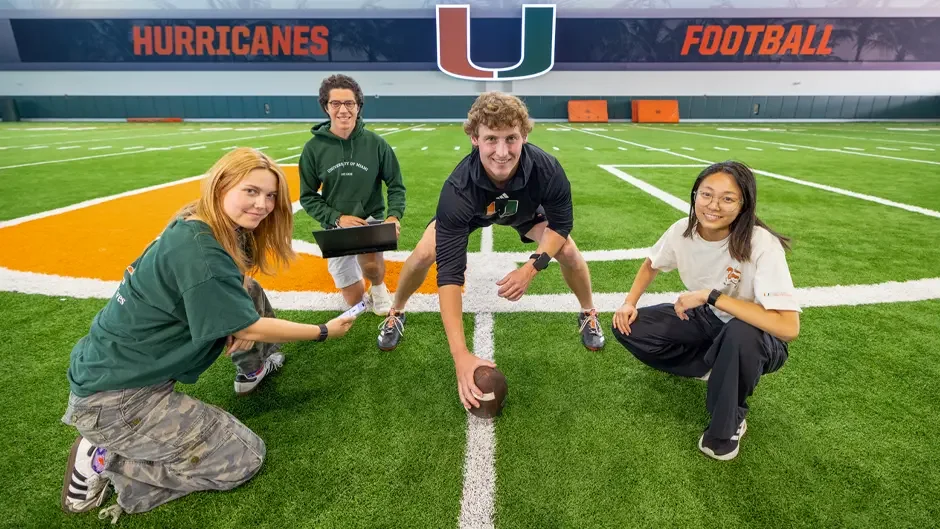
A team of University of Miamistudents has developed a new wearable device designed to monitor athlete movement patterns and help prevent injuries in sports, as sports technology innovation continues gaining momentum across global athletic ecosystems. The project, created under the university’s engineering and sports science collaboration initiatives, focuses on identifying early signs of physical stress and overuse before serious injuries occur.
The device uses motion tracking sensors and biomechanical analysis to monitor athletes during training sessions and competitions. According to the student developers, the technology can detect abnormal workload patterns, muscle fatigue indicators, and repetitive stress movements that are commonly associated with long term overuse injuries.
Researchers involved in the project said the system is intended to provide coaches, trainers, and medical staff with real time performance data to support injury prevention decisions. “The goal is to identify stress before it becomes damage,” one of the student researchers stated during the project presentation.
The growing use of wearable technologies has become a major trend across elite sports globally, with professional teams increasingly relying on biometric tracking systems to manage player fitness and recovery. Organisations in football, basketball, cricket, and Olympic sports now regularly use GPS trackers, heart rate monitors, and AI driven workload analysis systems to reduce injury risks and optimise performance.
Sports medicine experts have long identified overtraining and repetitive strain as major contributors to athlete injuries, especially in high intensity sports involving congested competition schedules. The University of Miami project specifically targets these patterns through continuous data monitoring rather than post injury analysis.
The developers are currently exploring commercial partnerships and further testing opportunities with university athletic programs. Officials involved in the project believe the technology could eventually be adapted for youth athletes, rehabilitation centres, and amateur sports systems beyond elite professional environments.
The project also reflects broader investment growth in sports science and athlete monitoring technologies, a sector projected to expand significantly as clubs and federations increasingly prioritise data driven performance management.
Sportscape feels that wearable monitoring systems are rapidly shifting from optional performance tools to essential components of modern athlete management.
As sports schedules become more physically demanding, technologies focused on preventing injuries in sports may become as important to teams as traditional coaching and conditioning programs.
Written by